Introduction
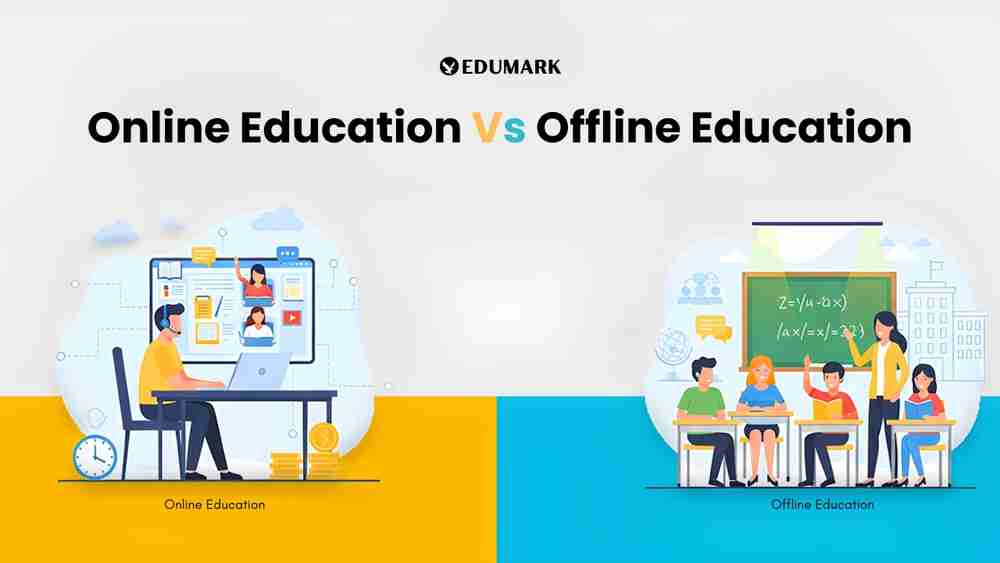
The global educational landscape has undergone a massive shift over the last few years. Traditional chalkboards are rapidly making way for digital displays, and living rooms frequently double as lecture halls. Today, students, parents, and educators are all asking the same fundamental question when looking at the modern learning landscape: when comparing online education vs offline education, which one truly delivers the best results?
Choosing the right approach is no longer a one-size-fits-all decision. The ideal learning method depends heavily on an individual's unique learning style, budget, need for flexibility, career goals, and the amount of practical exposure required.
While some students thrive in the self-paced ecosystem of online learning, others require the structured, face-to-face environment of classroom learning. Let's dive deep into the distinct differences, advantages, and drawbacks of online classes vs offline classes to help you make an informed choice for the future.
What is Online Education?

Online education refers to an instructional delivery model where learning takes place entirely over the internet. Instead of traveling to a physical campus, students log into digital platforms to access their coursework. This model relies heavily on modern education technology (EdTech) to bridge the distance between teachers and learners.
How Online Learning Works
- Live Classes: Students attend real-time virtual lectures via video conferencing tools, enabling direct, instantaneous online teaching.
- Recorded Lectures: Lessons are archived on a Learning Management System (MS), allowing students to review complex topics whenever necessary.
- Digital Classrooms: Assignments, quizzes, and peer discussions happen seamlessly within specialized web portals.
- Mobile Learning: Education is accessible on the go through smartphone apps, making learning incredibly portable.
- Online Certifications: Learners can earn credentials from global universities right from their desks.
Today, online learning platforms are immensely popular for specialized skill development, competitive exam preparation, and corporate professional learning.
What is Offline Education?

Offline education is the time-tested, traditional approach to learning. It requires students and teachers to be physically present in a brick-and-mortar classroom environment. This method emphasizes face-to-face interaction, structured schedules, and hands-on peer collaboration within schools, colleges, universities, and coaching institutes.
Despite the rapid rise of digital alternatives, offline education remains the cornerstone of global human development. The tangible environment of a physical school fosters vital social skills, emotional intelligence, and interpersonal communication that are difficult to replicate through a screen. For subjects requiring physical laboratory experiments, workshop practice, or sports activities, traditional classroom teaching remains absolutely essential.
Online Education vs Offline Education: Comparison Table
To understand the core difference between online and offline education, it helps to see how they stack up across key academic metrics.
Feature | Online Education | Offline Education |
|---|---|---|
Flexibility | Highly flexible; learn at your own pace and schedule. | Fixed schedule with rigid timetables. |
Cost | Generally affordable; saves on housing and transit. | Higher costs due to campus infrastructure and fees. |
Accessibility | Learn from anywhere in the world. | Limited by geographic location and travel limits. |
Teacher Interaction | Virtual via chat, email, or video calls. | Direct, immediate face-to-face interaction. |
Practical Learning | Limited to virtual simulations and screens. | Hands-on experience in labs and workshops. |
Internet Dependency | High; requires reliable, fast internet connection. | None required for day-to-day attendance. |
Discipline | Requires high self-motivation and discipline. | Structured environment enforces daily discipline. |
Networking | Global but text-based or virtual networks. | Local, deep peer-to-peer campus networking. |
Personal Development | Focuses heavily on academic and technical skills. | Promotes social skills, sports, and personality growth. |
Advantages of Online Education
The widespread adoption of digital learning isn't just a trend; it is driven by clear, structural advantages of online education:
- Learn Anytime, Anywhere: Geography is no longer a barrier. You can access world-class programs without moving to a new city.
- Affordable and Budget-Friendly: Online courses regularly cut out campus maintenance fees, physical textbooks, and commuting costs, passing those savings to students.
- Self-Paced and Flexible Schedules: Working professionals and busy students can balance their studies alongside jobs or family responsibilities.
- Access to Global Instructors: Students can learn complex subjects directly from leading international industry experts.
- Recorded Classes for Review: If you miss a point during a live stream, you can pause, rewind, and re-watch the lecture until you fully understand it.
Disadvantages of Online Education
While highly convenient, this format presents distinct hurdles. Understanding the disadvantages of online education is essential before committing to a program:
- Heavy Internet Dependency: A poor internet connection or lack of a proper device can instantly disrupt an entire school day.
- Screen Fatigue and Health Issues: Staring at laptops or tablets for six to eight hours daily can cause severe eye strain and poor posture.
- Fewer Opportunities for Social Interaction: Isolation can set in quickly without the casual, daily chatter of a physical campus.
- Requires Immense Self-Discipline: Without a teacher looking over their shoulder, students can easily fall behind or give in to home distractions.
Advantages of Offline Education
Traditional classrooms continue to hold incredible value. The primary benefits of offline education center around holistic human growth:
- Spontaneous Classroom Interaction: Real-time debates, body language cues, and immediate peer feedback enrich the educational process.
- Immediate Doubt Solving: Students can simply raise their hands to get instant clarification from a teacher during a lecture.
- True Practical Learning: True technical mastery in engineering, medicine, and chemistry demands physical laboratory sessions.
- Holistic Personality Development: Participation in sports, arts, drama, and campus politics builds leadership, empathy, and collaborative skills.
- Built-In Discipline: The routine of waking up, dressing for school, and adhering to class bells instills lifelong time management habits.
Disadvantages of Offline Education
Despite its foundational benefits, traditional brick-and-mortar learning faces growing challenges:
- Substantially Higher Fees: Maintaining massive campuses, libraries, and physical utilities drives up institutional tuition fees.
- Time-Consuming Commutes: Students often waste hours stuck in traffic trying to reach their school or coaching center.
- Rigid and Unyielding Schedules: Missing a single morning lecture due to illness often means losing that information permanently.
- Geographical Limitations: Students are forced to settle for local options unless they have the financial means to relocate.
Which Education Method is Better?
There is no definitive, universal winner in the debate. The optimal choice depends entirely on who the learner is and what they want to achieve:
- For School Children: Offline education is vital. Young children need a physical space to develop social skills, make friends, and learn behavioral discipline.
- For College Students & Professionals: Online platforms are frequently a better fit, allowing adults to balance professional careers while upgrading their technical skills.
- For Competitive Exam Prep: A blended mix works best—using online mock tests paired with occasional offline strategy sessions.
- For Skill Development: If you are learning coding, graphic design, or digital marketing, digital platforms are highly efficient and industry-accurate.
The Future of Education: The Hybrid Era
The future of learning does not require choosing one side over the other. Instead, the global academic landscape is moving rapidly toward hybrid education. By blending the flexibility of digital tools with the invaluable community aspect of physical campuses, schools are building the ultimate learning environment.
This transformation centers around the concept of the smart classroom. Modern educational institutions are upgrading standard rooms into immersive hubs featuring:
- Interactive Flat Panels & Smart Boards: Replacing dusty chalkboards with multi-touch digital displays that bring complex visual diagrams to life.
- Cloud Learning Infrastructure: Allowing students to attend physical classes while accessing all assignments and recorded notes online from home.
- Virtual and Remote Learning Integrations: Enabling guest lecturers from across the world to step into a local classroom via seamless live video feeds.
How Edumark Technologies is Transforming Modern Education
Bridging the gap between physical and digital spaces requires the right infrastructure. This is where Edumark Technologies steps in as a trusted leader in cutting-edge education technology solutions.
Edumark Technologies provides schools, colleges, and coaching centers with the vital tools needed to transform traditional classrooms into highly interactive spaces. Their comprehensive product suite includes:
- Interactive Smart Boards for Teaching and high-definition Interactive Flat Panels
- Custom Digital Classroom and Hybrid Classroom Solutions
- Integrated Video Conferencing and Wireless Presentation Systems
- Advanced Educational Audio Systems and Classroom Automation
- Complete Teacher Training, Professional Installation, and Ongoing Support
By deploying these advanced tools, institutions can deliver dynamic, hybrid lessons smoothly. A teacher can write on a digital screen, stream the live lesson to remote students at home, and record the session for future review simultaneously. Edumark Technologies empowers schools to retain the community benefits of traditional learning while embracing the immense reach of modern digital technology.
Conclusion
When evaluating online education vs offline education, it becomes clear that both methods possess unique strengths. Online learning provides unparalleled access and convenience, while offline education offers the deep personal connection and practical experience required for comprehensive human growth.
Ultimately, the best approach is one that adapts to modern needs. By integrating online flexibility with advanced physical classroom technology, institutions can offer students an optimized, future-ready education.
Ready to revolutionize your learning environment?
Looking to upgrade your classroom with the latest Smart Boards, Interactive Flat Panels, and Hybrid Classroom Solutions? Edumark Technologies provides cutting-edge educational technology designed to make teaching smarter, more interactive, and future-ready. Contact Edumark Technologies today to transform your learning environment.
Frequently Asked Questions (FAQs)
1. Which is better, online education or offline education?
Neither is universally superior. Online education excels in flexibility, affordability, and self-paced learning, making it excellent for working professionals. Offline education is superior for holistic personality development, practical laboratory work, and social interaction for young students.
2. What are the advantages of online education?
The primary advantages include the freedom to learn from anywhere, lower tuition and commuting costs, flexible scheduling, self-paced progression, and immediate access to recorded lectures for review.
3. What are the disadvantages of offline education?
The key disadvantages include higher overall costs (tuition, housing, and transport), rigid schedules that cannot be easily customized, and geographic limitations that require physical proximity to the campus.
4. Is online education cheaper than offline education?
Yes, in most cases. Online programs eliminate costs related to campus real estate, classroom maintenance, physical textbooks, and daily student commuting, which makes tuition much more affordable.
5. Can online education replace traditional schools completely?
No, it is highly unlikely to replace schools entirely. While online platforms work well for teaching theory and technical skills to older students, young children require physical schools for social development, physical fitness, and behavioral growth.
6. What is hybrid education?
Hybrid education is an advanced learning approach that combines traditional face-to-face classroom teaching with online digital components. It allows institutions to offer the best elements of both learning models.
7. Which learning method improves practical skills?
Offline education is generally better for practical skills that require physical manipulation, such as mechanical engineering, medicine, and chemistry. However, online learning is excellent for digital practical skills like coding, data analysis, and digital design.
8. Why are smart classrooms becoming popular globally?
Smart classrooms are growing rapidly because they utilize advanced tools like smart boards for teaching and interactive flat panels. These tools make abstract lessons highly visual, improve student engagement, and allow institutions to record or stream classes seamlessly.